In this article, we’ll explore simple, effective ways to fireproof your home by choosing the right windows. From understanding the benefits to selecting materials and enhancing safety, this guide is your go-to resource. Fireproofing your home is not just about peace of mind, but also about making smart investment choices for long-term safety and protection. By the end of this article, you will have a comprehensive understanding of how the right windows can serve as a critical component in your home's fire defense strategy.
Why are fireproof windows important for your home?
1.1 Understanding the benefits of fireproofing
Fireproofing your home is an essential step towards ensuring the safety and longevity of your property. Installing fireproof windows to fireproof your home reduces the likelihood of fire spreading through windows, which are often considered weak points in building safety. According to The National Fire Protection Association (NFPA), homes with fire-resistant windows experience 40% fewer interior fire damages. This significant decrease illustrates the potential savings on repair costs and the mitigation of despair from losing irreplaceable belongings.
Fireproof windows serve as an additional layer of protection against unpredictable and often devastating events. Their importance stems from the materials used, which are specifically designed to withstand high temperatures. These windows not only provide physical barriers but also peace of mind for homeowners. As part of a broader fireproofing strategy, they can help ensure that families are better prepared for emergencies, significantly reducing risks.
Moreover, the psychological comfort that comes with knowing your home is protected cannot be overstated. While you may invest in them for safety, fireproof windows to fireproof your home also boost the overall value of your home. Potential buyers often prioritize safety features, making your investment potentially lucrative should you choose to sell. Therefore, beyond just fire protection, these windows can offer financial benefits through increased property value.
1.2 The science behind fire-resistant windows
The science behind fire-resistant windows primarily involves the use of specialized materials and construction techniques. These windows are crafted from glass that can withstand extremely high temperatures without breaking. Heat-reflective coatings are often applied, which help to prevent interior warming that can lead to spontaneous combustion. These features are crucial to reducing fire damage, supporting the fact shared by the NFPA regarding reduced damage in equipped homes.
Furthermore, fireproof windows to fireproof your home are often tested under harsh conditions to ensure they perform as expected during emergencies. These rigorous testing methods simulate real-life scenarios, such as intense flames and high heat, to observe how the materials respond. The results from these tests guide manufacturers in improving their products to ensure maximum safety for homes. The continuous improvement and innovation in this domain are essential to staying ahead of potential threats.
In addition to the glass used, the window frames also play a significant role. Materials such as metal and specially treated wood are often used because they do not ignite easily. Coupled with strategic installation around the rest of the building's fire prevention measures, these windows are integral to an overall fireproofing plan. Knowledge of the science behind these windows can empower homeowners to make informed decisions about their home's safety features.
What materials are best for fireproof windows?
2.1 Comparing popular window materials
The selection of the right materials is vital when considering fireproof windows to fireproof your home. Key materials often include tempered glass, laminated glass, and layers of intumescent materials, which expand upon heat exposure to enhance insulation. Tempered glass is especially valued for its ability to withstand higher temperatures without shattering, providing robust fire resistance compared to standard glass. This makes it a popular choice for homeowners looking to fortify their homes against fire.
Laminated glass, another common material, consists of several layers bonded together with a special interlayer. This configuration not only offers increased strength but also provides effective fire resistance. In the event of exposure to fire, laminated glass can slow down the spread and reduce heat conductivity, making it a reliable choice. These properties align with the NFPA’s findings about reduced damage when fire-resistant windows are in place.
In addition to glass options, the choice of window frames also plays a crucial role in fire resistance. Aluminum frames are known for their high melting points and are often chosen for their durability and ability to withstand high temperatures. When evaluating material selections, it’s essential to consider both the glass and the framing to ensure maximum protection. Investing in quality materials can significantly enhance your home's resilience against fire.
2.2 Pros and cons of different fireproofing solutions
Each fireproofing material offers its own set of advantages and limitations. Tempered glass, for instance, is incredibly strong and not prone to shattering under heat, which can prevent the ingress of flames. However, it can be costlier than regular glass, potentially impacting budget considerations. Despite the higher initial investment, its effectiveness when you fireproof your home often justifies the expense.
Laminated glass provides a unique benefit with its layered structure, offering additional strength and noise reduction. Its extra layers work effectively in stopping heat penetration and can even enhance security against break-ins. The perceived downside, however, is the reduced clarity over time due to interlayer deterioration when exposed to harsh environmental conditions. Regular inspection and maintenance can mitigate such risks, ensuring long-term performance.
How to install fireproof windows effectively?
3.1 Step-by-step installation guide
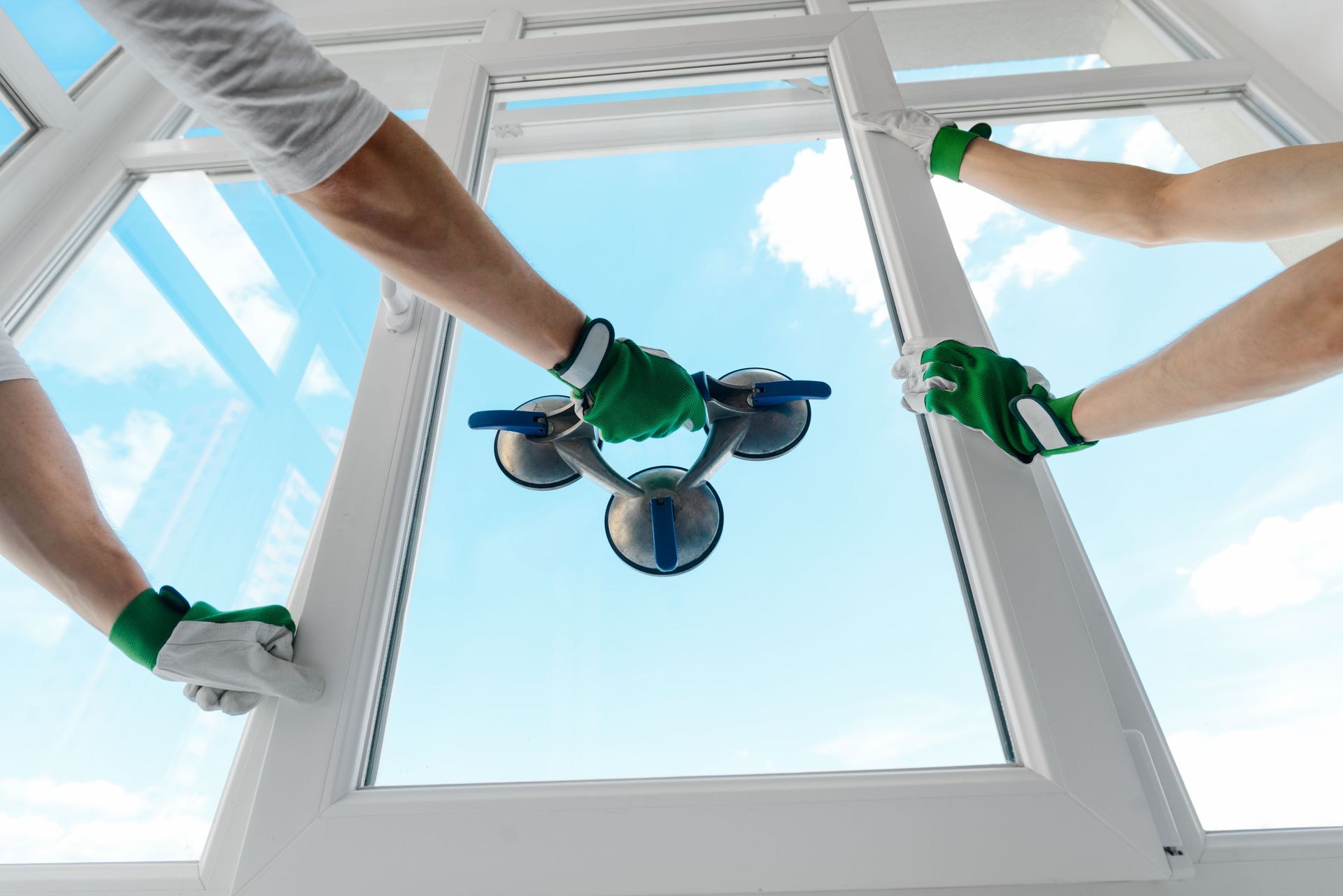
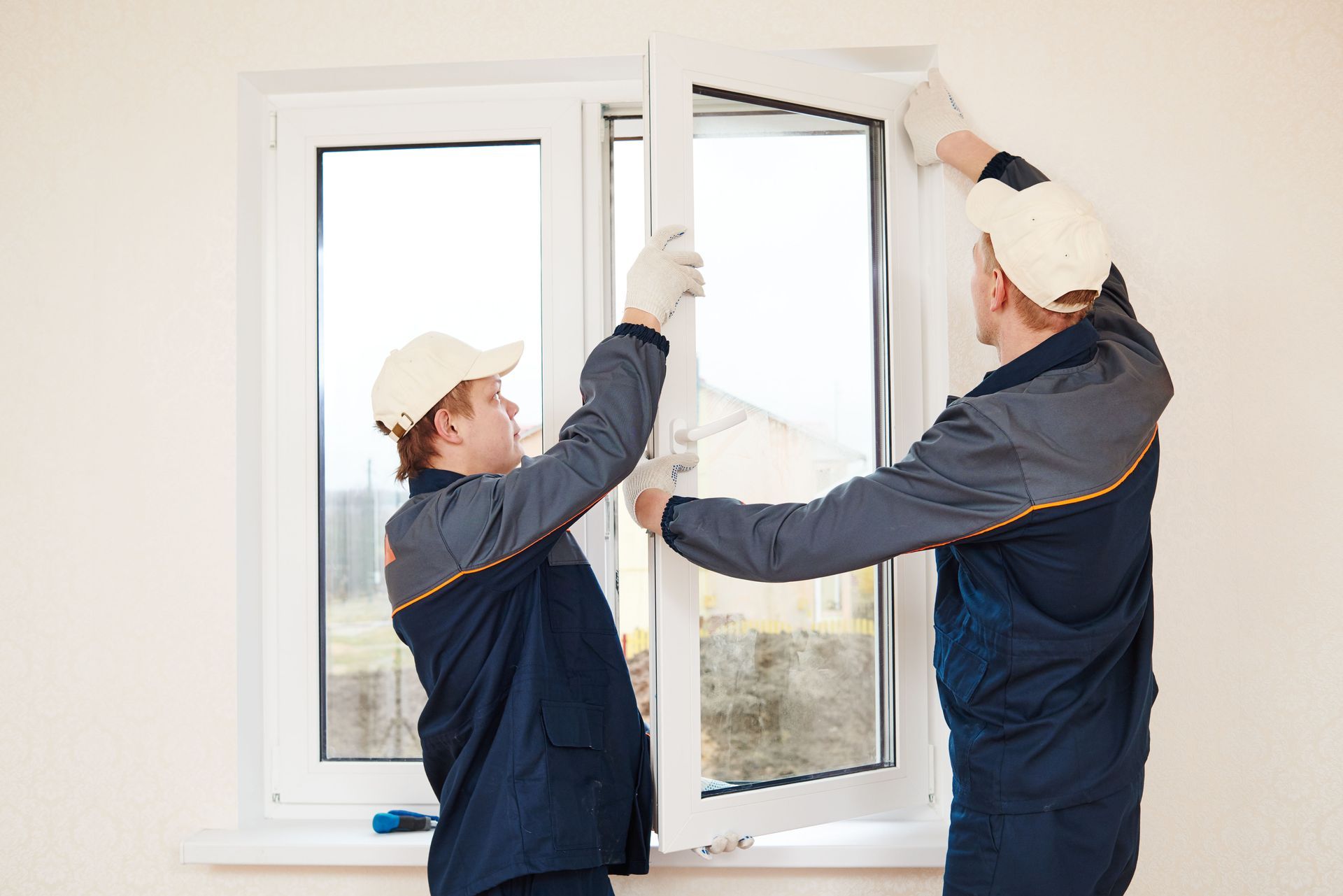
Proper installation of fireproof windows is crucial to ensuring their effectiveness in case of fire emergencies. Begin by selecting a window that meets both your aesthetic preferences and safety requirements. It's important to take precise measurements to ensure a snug fit, as even small gaps can compromise the window’s fire-resistant properties. Having the right dimensions is the starting point for a successful installation.
Next, remove the existing window carefully to avoid damaging the surrounding structure. Prepare the frame by cleaning the area thoroughly and sealing any potential vulnerabilities. Insert the fireproof window, securing it in place with appropriate fasteners and sealants. Ensure that the installation is watertight to prevent moisture ingress, which can affect the window's long-term integrity.
3.2 Common installation mistakes to avoid
Proper installation is key to ensuring that fireproof windows perform as expected in an emergency. One common mistake is failing to seal the window properly, which can lead to air leaks and reduced effectiveness. Even slight inconsistencies can significantly compromise fire resistance, emphasizing the need for precision during installation. Another frequent error is disregarding manufacturers' specific installation guidelines, which can void warranties and lessen performance.
Skipping pre-installation assessments of the surrounding structure can also be problematic. Ensuring the area is free from dampness or deterioration is essential to avoid compromising the integrity of the new window. Additionally, using incorrect or substandard materials for installation, such as low-quality sealants, can impair fireproofing capabilities. Utilizing components that match or exceed specified standards is vital for achieving the desired outcomes.
By selecting the right fireproof windows, you significantly enhance your home's safety and value. Armed with this knowledge, you can confidently make decisions that protect your family and property from fire hazards. The integration of fireproof windows into your home’s architecture is not just a safety measure, but a wise investment in your property’s future. With a comprehensive understanding of benefits, materials, and installation practices, you are well-equipped to make informed choices.
The potential reduction in fire-related damages and the accompanying peace of mind demonstrate the tangible and intangible returns of your investment. Adopting the strategies outlined within this article ensures that your approach to fireproof your home is both strategic and effective. As technology and materials continue to advance, staying informed allows you to capitalize on new opportunities to enhance your home’s fire resistance further.
Ultimately, the steps you take toward selecting and installing fireproof windows contribute significantly to creating a safer and more resilient living environment. This foresight not only protects personal property but also adds an invaluable layer of security for your loved ones. Through mindful implementation of these strategies, you can rest assured that you have taken meaningful steps to fortify your home against the threat of fires. Reach out to TMC Windows & Doors today to see how we can help you!