Window replacement is a significant undertaking for homeowners, offering both aesthetic and functional improvements. However, it is fraught with potential pitfalls that can lead to increased costs, delayed timelines, and unmet expectations. Understanding common mistakes can be instrumental in mitigating these issues and ensuring the full benefits of new windows.
Homeowners often overlook critical aspects, such as selecting the right type of window for their climate, resulting in performance inefficiencies and higher energy bills. Moreover, improper installation and neglecting local building codes can compound these problems, leading to financial burdens and legal complications. This article will delve into the mistakes one must avoid to optimize their window replacement project and enhance property value.
Furthermore, investing in high-quality windows not only elevates the home's appearance and energy efficiency but also provides a significant return on investment. According to Fixr, depending on the materials chosen, installing new windows can offer a return on investment ranging from 60% to 85%. With this in mind, it is crucial to approach window upgrades with thorough planning and professional guidance.
1. Choosing the Wrong Type of Window
Not Considering the Climate
Homeowners must consider their local climate when choosing windows to ensure they provide adequate insulation and energy efficiency. In colder regions, for instance, double or triple-glazed windows may be necessary to retain heat and reduce heating costs. Conversely, in warmer climates, selecting windows with solar-reflective coatings can help manage cooling demands. Ignoring climate considerations can lead to increased utility bills and discomfort within the home. Therefore, it is crucial to select appropriate windows that align with environmental conditions.
Ignoring Energy Efficiency
Energy-efficient windows play a vital role in reducing household energy consumption and costs. Many homeowners become overwhelmed by initial costs and overlook the long-term savings that energy-efficient windows can provide. Choosing windows with low emissivity (Low-E) glass or those certified by Energy Star can dramatically lower heating and cooling expenses. Furthermore, efficient windows can significantly enhance indoor comfort by minimizing drafts and eliminating hot and cold spots. By prioritizing energy efficiency, homeowners can improve their home's sustainability while enjoying economic benefits.
2. Incorrect Measurements and Poor Fitting
Skipping Professional Measurement Services
Accurate measurements are critical to a successful window replacement, yet many homeowners skip professional measurement services to save costs. Incorrect measurements can lead to ill-fitting windows that compromise insulation, let in drafts, and cause structural damage. Professionals ensure precise measurements, considering factors like frame depth and window type, which are often overlooked by DIY efforts. Poorly fitted windows can diminish performance and aesthetic value, causing further expenses down the line. Engaging professionals for measurements ensures new windows are seamless and functional, preventing costly errors.
bMisjudging the Frame Size and Shape
Another common mistake is misjudging the existing window frame's size and shape when ordering replacements. Windows that don't align with the existing frame can result in installation difficulties, leading to additional labor and costs. Homeowners might assume standard sizes suffice, but existing frames often require custom solutions to ensure a proper fit. Misalignment can cause issues such as air leaks or water intrusion, reducing the window's effectiveness. Ensuring frame compatibility during the selection process avoids these problems, providing both aesthetic and functional benefits.
3. Focusing on Cost over Quality
Opting for the Cheapest Option Available
Choosing the least expensive windows might seem like a convenient way to reduce costs, but it often leads to higher expenses in the long run. Low-cost windows typically lack the durability, energy efficiency, and features of higher-quality options. As a result, these windows may require frequent repairs or early replacement, increasing overall expenditures. Investing in high-quality windows enhances durability and performance, providing a return on investment through energy savings and increased home value. As such, cost should not overshadow quality when choosing replacement windows.
Ignoring Longevity and Durability
Durability should be a priority when selecting windows, yet homeowners often overlook this factor, leading to premature replacements. High-quality materials like fiberglass and aluminum can withstand harsh weather, reducing the need for frequent repairs. In contrast, cheaper materials may deteriorate quickly, compromising the home's comfort and safety. By factoring durability into the decision-making process, homeowners can achieve long-term satisfaction and minimize future costs. Emphasizing longevity ensures the windows perform optimally, sustain aesthetic appeal, and withstand environmental challenges.
4. Neglecting Local Building Codes and Regulations
Failure to Obtain Necessary Permits
Obtaining necessary permits is a critical step in window replacement, but many homeowners neglect this requirement, leading to legal complications. Permits ensure that installations comply with local safety and building regulations, preventing potential fines and project delays. By overlooking permits, homeowners risk non-compliance, which can result in having to switch out newly-installed windows or incurring financial penalties. Proper documentation enhances safety, guaranteeing that installations meet quality and structural standards. Consulting with building authorities or contractors about permit requirements safeguards against regulatory issues.
Disregarding Zoning Laws
Zoning laws dictate the type and placement of structures within specific areas, impacting window replacement projects. Disregarding these laws can lead to legal disputes and the necessity to modify non-compliant installations. For example, homes in historic districts might face restrictions on window styles to preserve architectural integrity. Understanding zoning laws assists homeowners in selecting compliant window types and placements, ensuring the project proceeds smoothly. Checking with local municipal offices or a legal advisor provides clarity on applicable zoning regulations, avoiding unnecessary complications.
5. Overlooking the Role of Professional Installation
Attempting DIY to Save Money
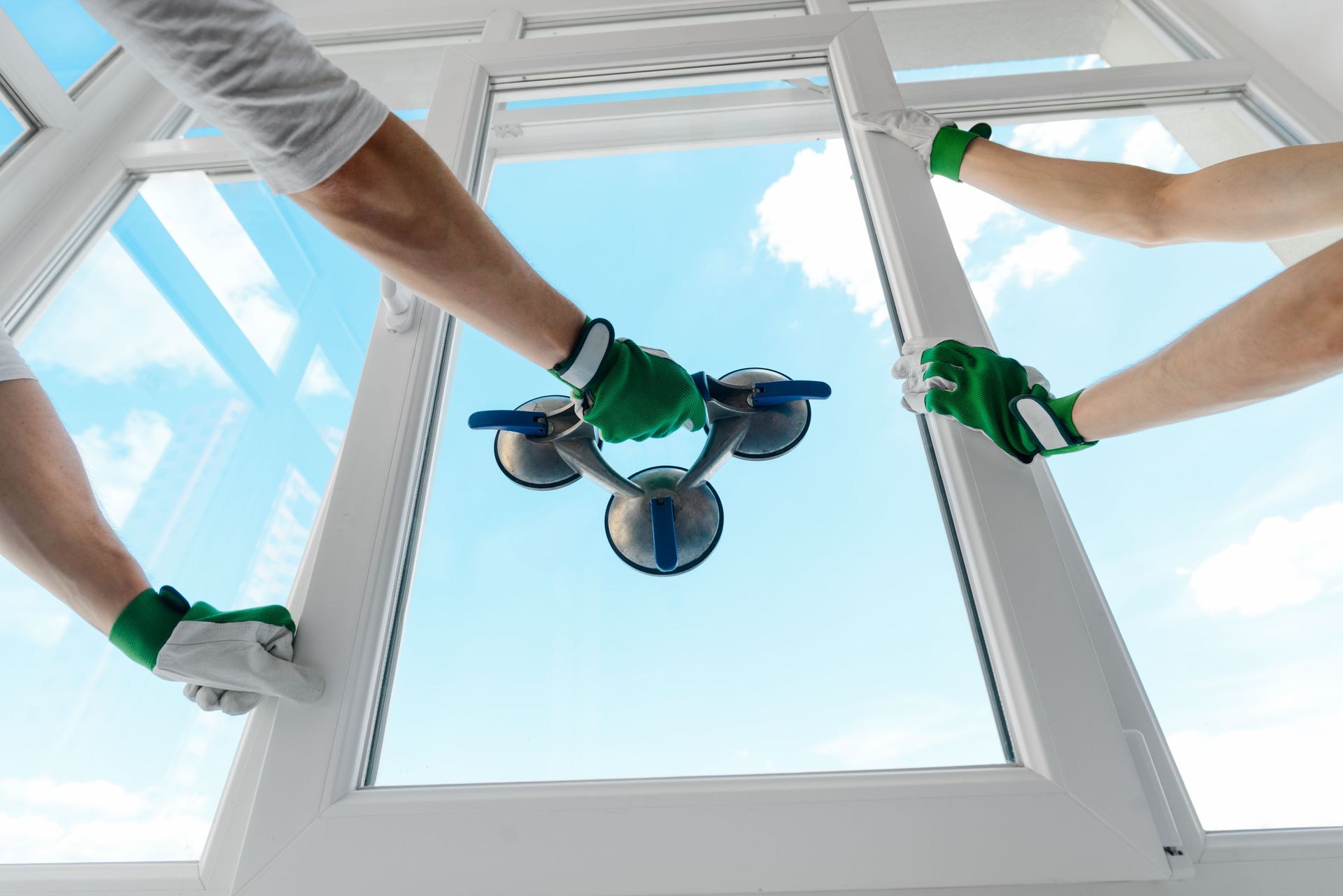
Many homeowners attempt DIY window installations to save money, underestimating the complexity and skill required. DIY efforts often result in improper installations, causing air leaks, water infiltration, and costly repairs. Professional installers possess the expertise to handle complexities such as aligning frames and ensuring secure seals. Improper DIY installations may void warranties, increasing financial risk if issues arise. By investing in professional installation, homeowners guarantee quality, reducing stress and repair costs in the long term.
Not Vetting Installation Contractors
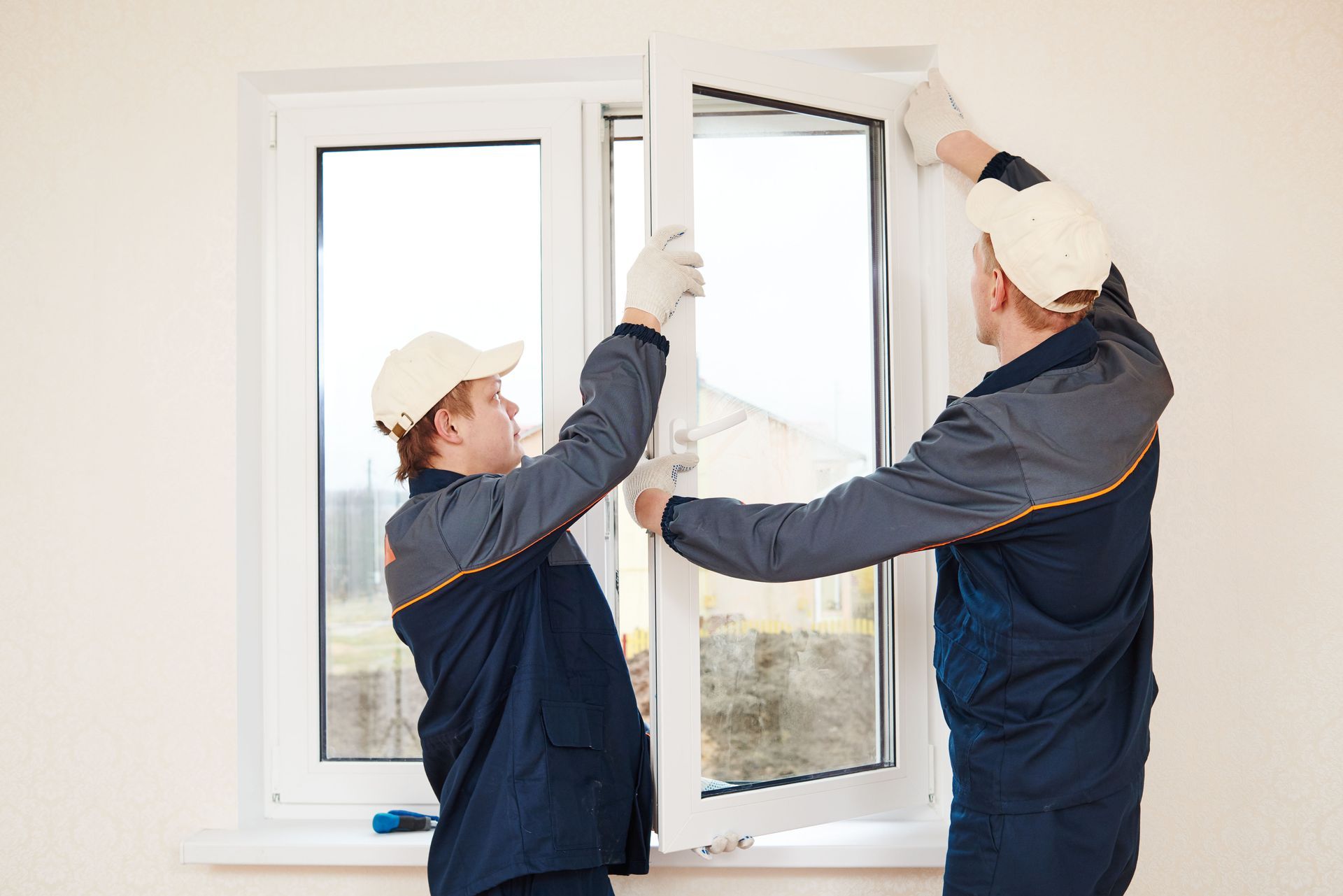
Selecting the right contractor is vital for a successful window upgrade, yet many homeowners fail to thoroughly vet their options. A reliable contractor provides quality workmanship backed by experience and credentials. Neglecting this step can lead to subpar installations and customer dissatisfaction. Conducting interviews, checking references, and verifying licenses allow homeowners to identify trustworthy installers. By carefully vetting contractors, homeowners are assured of professional service, quality results, and a smooth project execution.
6. Inadequate Planning and Timing of the Project
Neglecting Seasonal Considerations
Timing a window project involves strategic planning, especially in terms of seasonal weather conditions. Those who overlook seasonal considerations may face delays and challenges related to weather, such as rain or extreme cold. These conditions not only impede the installation process but can also affect material effectiveness and durability. Planning installations during favorable weather conditions ensures a smooth and efficient project outcome. Scheduling ahead, considering weather patterns, minimizes unforeseen interruptions, ensuring installations are timely and successful.
Failing to Synchronize with Other Renovations
When undergoing multiple home renovations, it's important to synchronize them for efficiency and cost-effectiveness. Lack of coordination can lead to redundant work and future complications, increasing project duration and expenses. For instance, installing windows after external wall repairs allows for adjustments specific to new window dimensions. Careful coordination with contractors across projects ensures each renovation supports others seamlessly, maximizing results and minimizing disruptions. Integrated planning fosters cohesive upgrades, aligning project timelines and enhancing overall homestead improvements.
The journey of window upgrades is riddled with potential missteps that can impact both the process and the outcome. From choosing appropriate types based on climate and energy efficiency to ensuring adherence to legal requirements and engaging professional installers, each step requires attention to detail. By avoiding these common mistakes, homeowners can enjoy a seamless project that enhances aesthetic appeal and functional performance.
Ultimately, window replacement offers more than cosmetic benefits, providing long-term savings, comfort, and home value enhancement. Prioritizing quality materials and expert installation ensures a return on investment that aligns with personal and financial objectives. For successful results, homeowners are encouraged to meticulously plan, seek professional guidance, and make informed decisions throughout the window replacement process.
With strategic preparation and informed choices, the window replacement journey becomes an opportunity for substantial improvement, upgrading homes into spaces of comfort, efficiency, and style. Following the recommendations discussed ensures homeowners maximize benefits while minimizing risks, resulting in a positive and satisfying experience.